When it comes to tree service SEO, one overlooked but extremely powerful strategy is internal linking. Internal linking is more than just connecting pages together; it’s about creating a strong foundation for your website so search engines and customers can easily find the right information.
At Tree Service Marketing Agency, we’ve helped dozens of tree care companies scale their leads by combining tree service web design with smart internal linking strategies. In this article, you’ll learn how to structure, optimize, and implement an internal linking framework that works for tree service businesses.
What Is Internal Linking and Why Does It Matter for Tree Service SEO?
Internal linking means linking one page of your website to another page on the same domain. For example:
- A blog post on “Tree Pruning Tips” linking to your “Tree Removal Service Page.”
- A homepage linking to a “Free Quote” page.
- A blog like Guide to Tree Service SEO linking to your core service pages.
Why it matters:
- Helps Google understand your site structure.
- Passes authority (link juice) from one page to another.
- Improves user experience by guiding visitors.
- Boosts conversions by pointing readers toward service and contact pages.
Without a proper internal linking plan, even the best tree service SEO strategies can fail.
The Role of Internal Links in Tree Service SEO
Here’s a breakdown of how internal links impact SEO for tree service websites:
| Factor | Impact on Tree Service SEO |
|---|---|
| Crawlability | Helps Google find and index all your service and blog pages. |
| Keyword Relevance | Anchor text signals what a page is about. |
| Authority Distribution | Passes ranking power to service pages that matter most. |
| User Experience | Guides visitors to high-value pages like contact forms and service pages. |
| Conversions | Strategic links lead visitors to request quotes or book services. |
👉 Internal linking is like pruning a tree; you shape growth in the direction you want.
Internal Linking Strategies for Tree Service Businesses
1. Link from Blogs to Core Service Pages
Your blog should act as a funnel to send visitors to your money pages (Tree Trimming, Stump Removal, Emergency Tree Services, etc.).
For example:
- A blog on “Best Time of Year for Tree Trimming” should link to your Tree Trimming Service Page.
- A blog on “Storm Damage Cleanup” should link to your Emergency Tree Removal Page.
💡 This is where you can naturally add links to pages like:
2. Use Keyword-Rich Anchor Text
Instead of linking with “click here”, use descriptive anchor text.
✅ Example:
- “Learn how Tree Service Marketing Agency builds effective Tree Service SEO Campaigns Fail strategies.”
🚫 Avoid generic links like “learn more.”
This helps Google associate the target page with specific keywords like “Tree Service SEO” or “Tree Service Web Design.”
3. Create Hub-and-Spoke Content Clusters
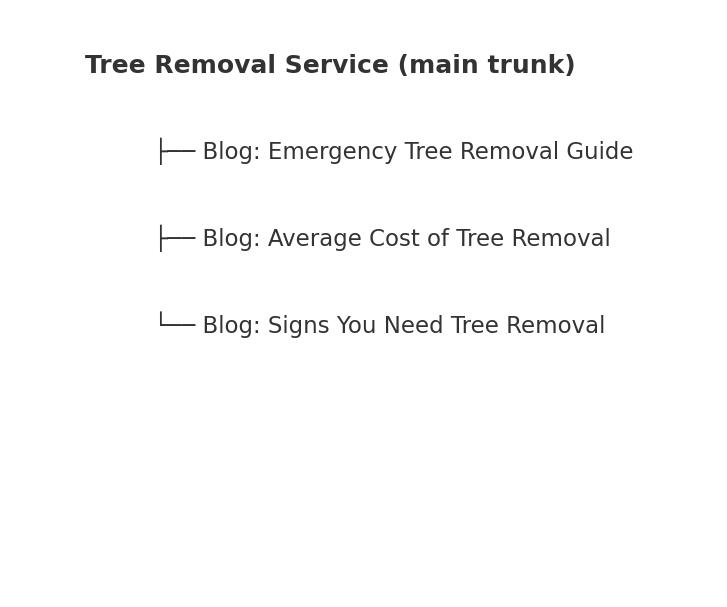
Think of your site as a tree:
- The trunk = main service page (e.g., Tree Removal Service).
- The branches = blog posts that support it (e.g., How Much Does Tree Removal Cost?, Emergency Tree Removal Tips).
Each blog links back to the service page and to each other, forming a cluster.
Here’s a visualization:
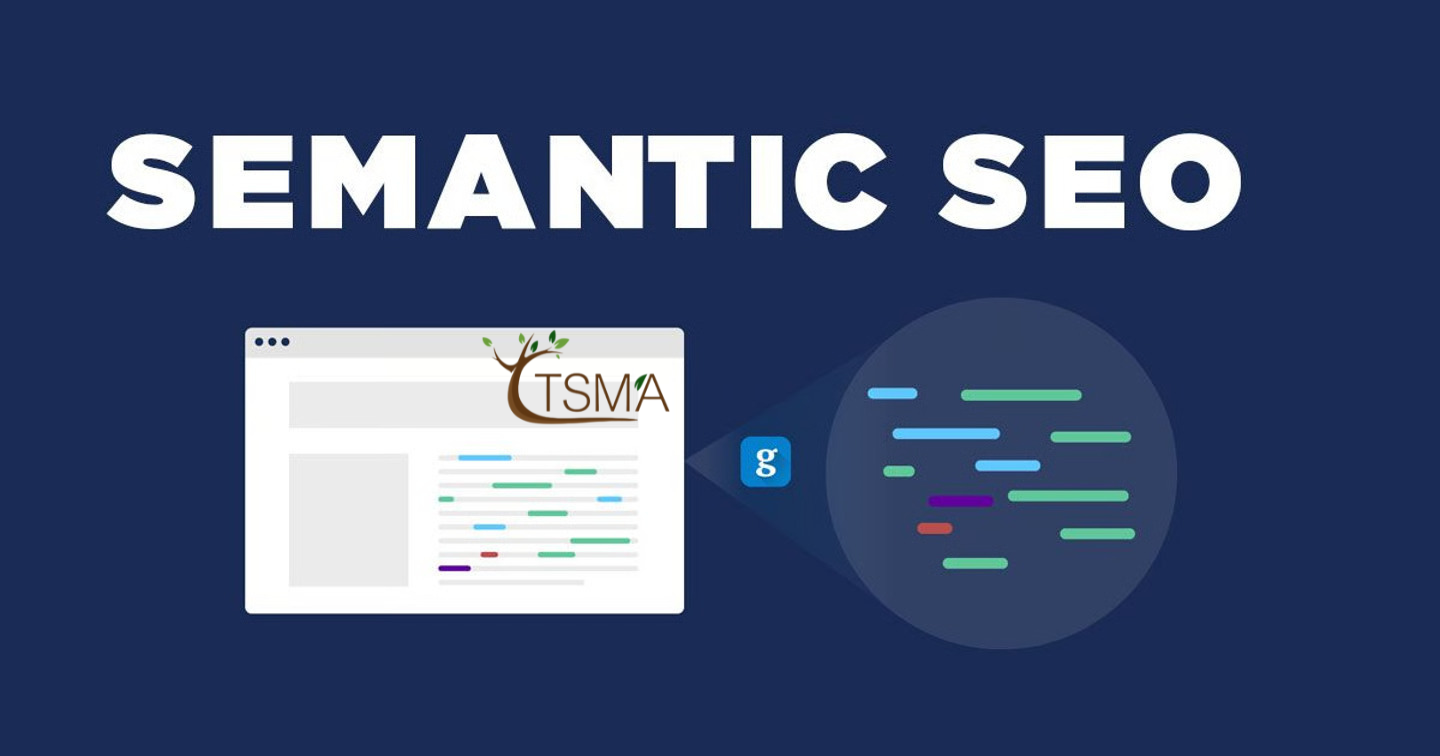
This is also known as Semantic SEO, where Google understands topic relationships.
4. Link Between Blogs to Strengthen Authority
Don’t just link from blogs to services; link blogs to other blogs.
Example:
- Blog on “Local SEO for Tree Service” can link to “Tree Service SEO Strategies.”
- Blog on “Why Tree Service SEO Campaigns Fail” can link to “Guide to Tree Service SEO.”
This creates topical authority and keeps users on your site longer.
5. Use Call-to-Action Links
Not all links need to be hidden in text. Use bold call-to-action (CTA) links that guide readers:
“👉 Ready to scale your leads? Check out our Tree Service Web Design solutions to convert visitors into customers.”
This improves both SEO and conversions.
6. Leverage the Footer and Navigation Menus
Your sitewide links (footer and navigation) should highlight your most important pages.
Examples:
- Navigation → Services, About Us, Contact, Blog.
- Footer → Local SEO for Tree Service, Tree Service SEO Strategies, Request a Free Quote.
This ensures every page on your site gets internal links.
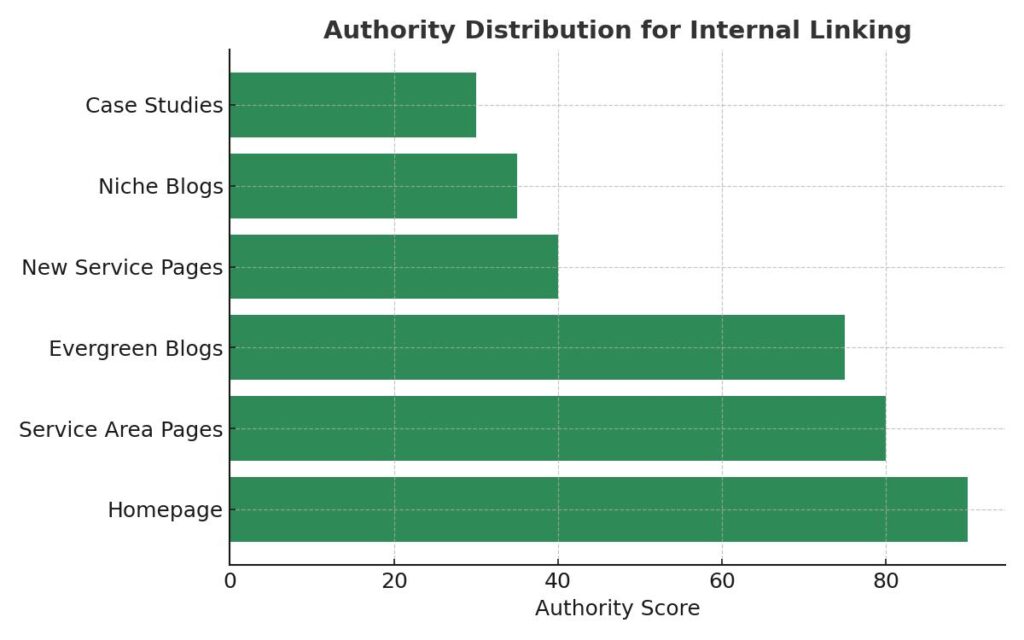
7. Use Data to Prioritize Internal Links
Not every page deserves the same number of links. Use tools like:
- Google Search Console → Find pages with impressions but low clicks, link to them.
- Ahrefs or SEMrush → Identify high-authority pages and use them to pass link juice.
📈 Example Chart:
8. Balance Internal Linking; Avoid Over-Optimization
While internal linking is powerful, don’t overdo it.
⚠️ Common mistakes to avoid:
- Linking every keyword multiple times.
- Using the exact same anchor text everywhere.
- Stuffing links into irrelevant content.
Instead, keep links natural and helpful.
9. External Linking for Trust Signals
Along with internal links, you should also add non-competitor external links to show credibility.
For example:
- Linking to an authoritative site like Search Engine Journal when talking about general SEO trends.
This shows Google your content is well-researched.
Case Study: How Internal Linking Boosted a Tree Service Business by 72% in Leads
At Tree Service Marketing Agency, we worked with a mid-sized tree care company that had solid blog content but was struggling with conversions. Their problem?
- Service pages weren’t ranking well.
- Blogs had traffic but no lead generation.
- Navigation was cluttered and confusing.
What We Did:
- Mapped their service pages (Tree Removal, Stump Grinding, Emergency Tree Service).
- Identified their most-read blogs using Google Analytics.
- Added strategic internal links from those blogs to service pages using keyword-rich anchors.
- Reorganized their website into topic clusters (hub-and-spoke).
- Updated the footer and sidebar with links to key conversion pages.
Results (within 4 months):
| Metric | Before Internal Linking | After Internal Linking |
|---|---|---|
| Organic Traffic | 3,200/month | 6,100/month |
| Service Page Rankings | Page 2–3 | Page 1 (Top 5) |
| Leads (form submissions + calls) | 180/month | 310/month |
| Conversion Rate | 2.3% | 4.1% |
👉 That’s a 72% increase in leads, largely by optimizing internal links without creating much new content.
Step-by-Step Checklist: Internal Linking for Tree Service SEO
Here’s a repeatable internal linking process you can follow:
Step 1: Audit Your Current Internal Links
- Use Screaming Frog or Ahrefs to export internal link data.
- Identify orphan pages (pages with no internal links).
- List your priority service pages that need more links.
Step 2: Create a Keyword Map
- Assign a primary keyword to each service page.
- Example:
- Tree Removal → “Tree removal services in [city]”
- Stump Grinding → “Affordable stump removal in [city]”
- Emergency Tree Service → “24/7 emergency tree removal”
Step 3: Add Internal Links from Blogs
- Add 2–3 internal links in every blog pointing to relevant service pages.
- Use anchor text like:
- “Check out our Guide to Tree Service SEO.”
- “Our Tree Service Web Design solutions help convert more visitors.”
Step 4: Optimize Navigation & Footer
- Include links to your most profitable services in the header navigation.
- In the footer, link to evergreen blogs such as:
Step 5: Track Performance
- Use Google Search Console to monitor:
- Impressions and clicks for service pages.
- Changes in average ranking position.
✅ Repeat this process quarterly to keep links fresh and relevant.
Visual Example: Anchor Text Placement
Here’s how a blog paragraph might look with optimized internal linking:
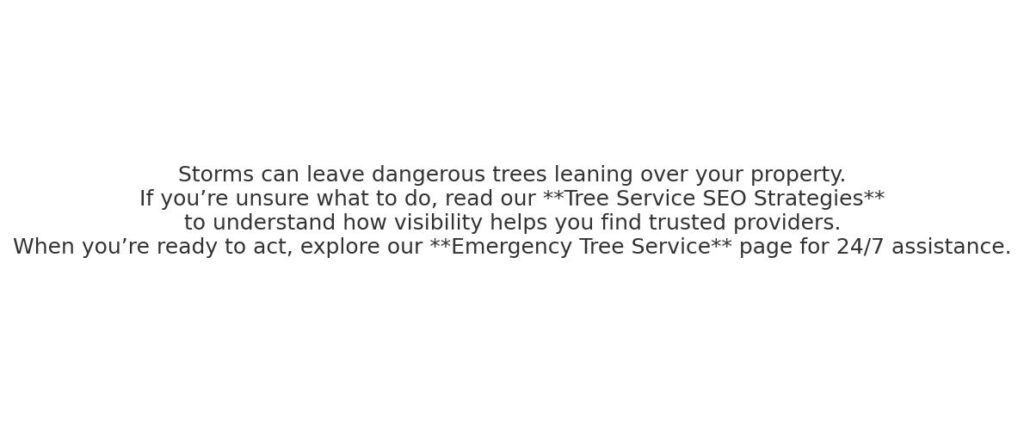
👉 Notice how anchors are natural and guide readers to service pages.
⚠️ Common Internal Linking Mistakes Tree Service Businesses Make
Even with good intentions, many companies trip up with internal linking. Here are mistakes to avoid:
- Over-Optimization
- Stuffing the same anchor text (“Tree Removal Service in Dallas”) on every page.
- Solution: Mix branded, partial-match, and natural anchor texts.
- Broken Links
- Linking to deleted or redirected pages.
- Solution: Audit links quarterly with Screaming Frog.
- Ignoring Orphan Pages
- Service or location pages not linked anywhere.
- Solution: Add them to navigation menus, blogs, and footers.
- Too Many Links in One Page
- Over 100+ internal links looks spammy.
- Solution: Keep links useful, not excessive.
- Neglecting Conversion Pages
- Failing to link to Contact, Free Quote, or Booking pages.
- Solution: Add CTAs in blogs and sidebars.
Best Practices for Internal Linking in Tree Service SEO
Here’s a summary of best practices to maximize SEO impact:
- ✅ Always link downward (from high-authority pages like homepage/blogs → service pages).
- ✅ Use contextual links within content, not just in menus.
- ✅ Prioritize service pages and local landing pages.
- ✅ Add breadcrumbs navigation to help both users and search engines.
- ✅ Mix up anchor text types:
- Exact-match → Tree Service SEO
- Branded → Tree Service Marketing Agency
- Generic → Learn more here
The Future of Internal Linking for Tree Service SEO
As Google’s algorithms move toward Semantic SEO and user intent, internal linking is becoming less about “tricking” search engines and more about building a logical content ecosystem.
In the future:
- Google’s AI will prioritize topic clusters over individual pages.
- User behavior (time on site, clicks, engagement) will influence rankings more heavily.
- Tree service companies that invest in strategic content hubs with strong internal linking will dominate local search.
Conclusion:
Internal linking is the backbone of a strong tree service SEO strategy. By connecting your service pages, blogs, and conversion-focused pages, you not only help Google understand your website but also guide visitors to take action.
At Tree Service Marketing Agency, we specialize in combining tree service web design and SEO strategies to help businesses grow. If you’re struggling to rank, check out our blogs:
And remember: sometimes the smallest changes; like adding a few smart internal links can make the biggest difference in leads.